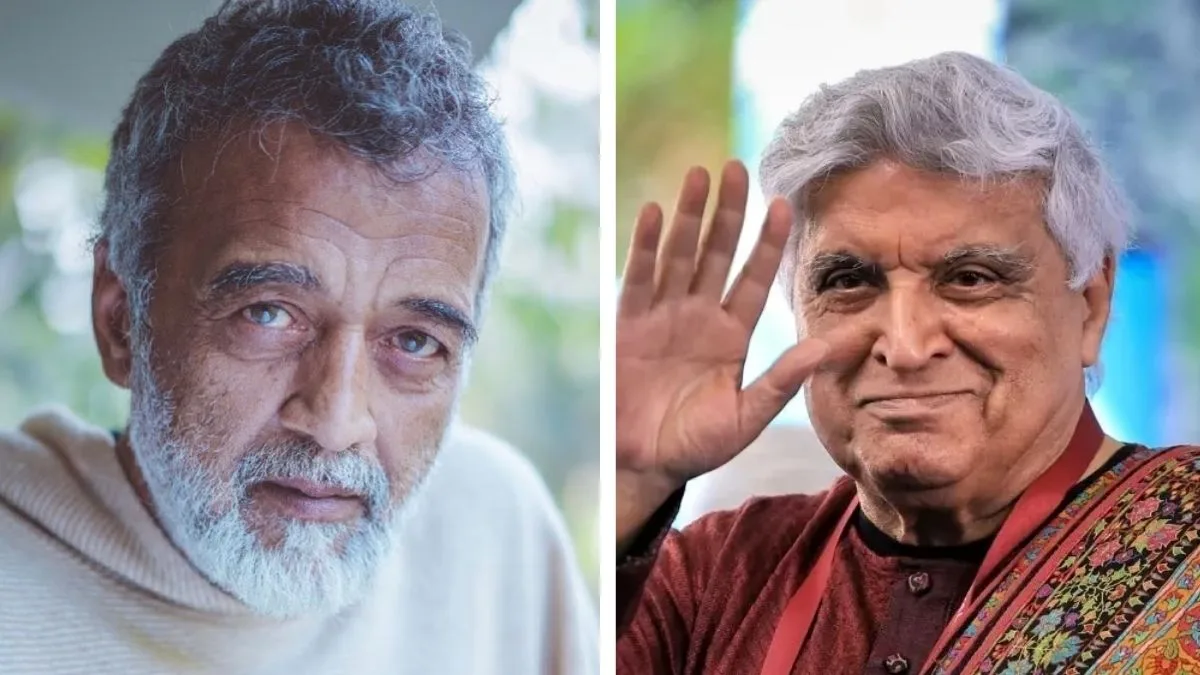
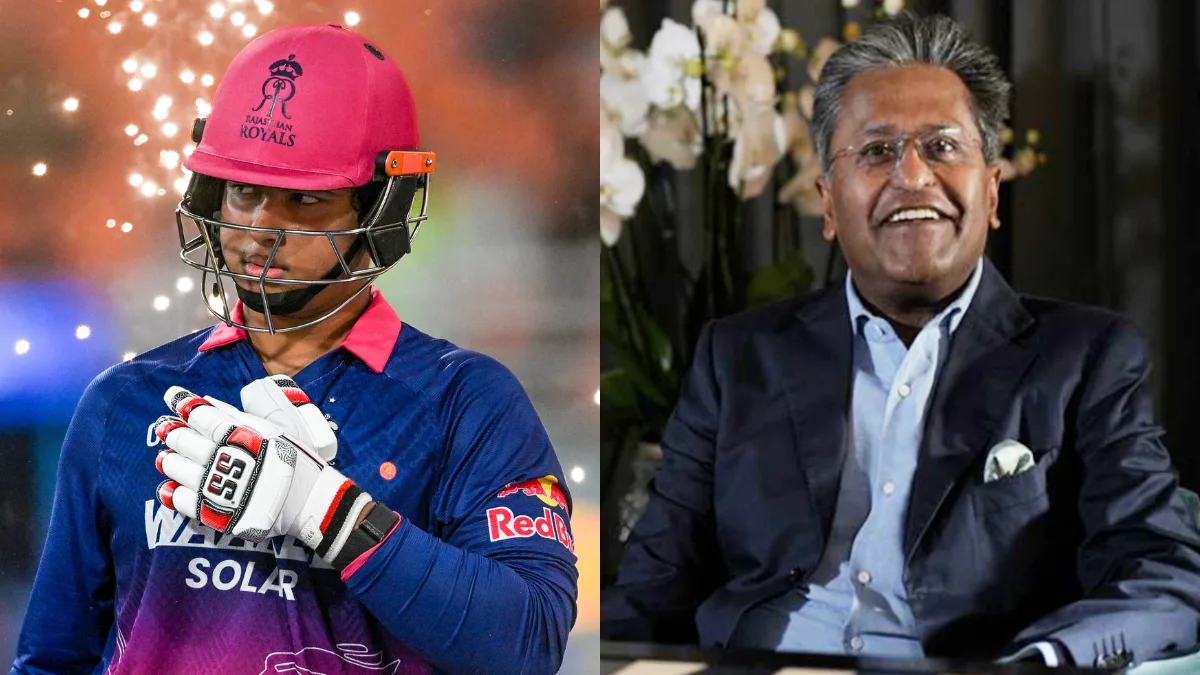
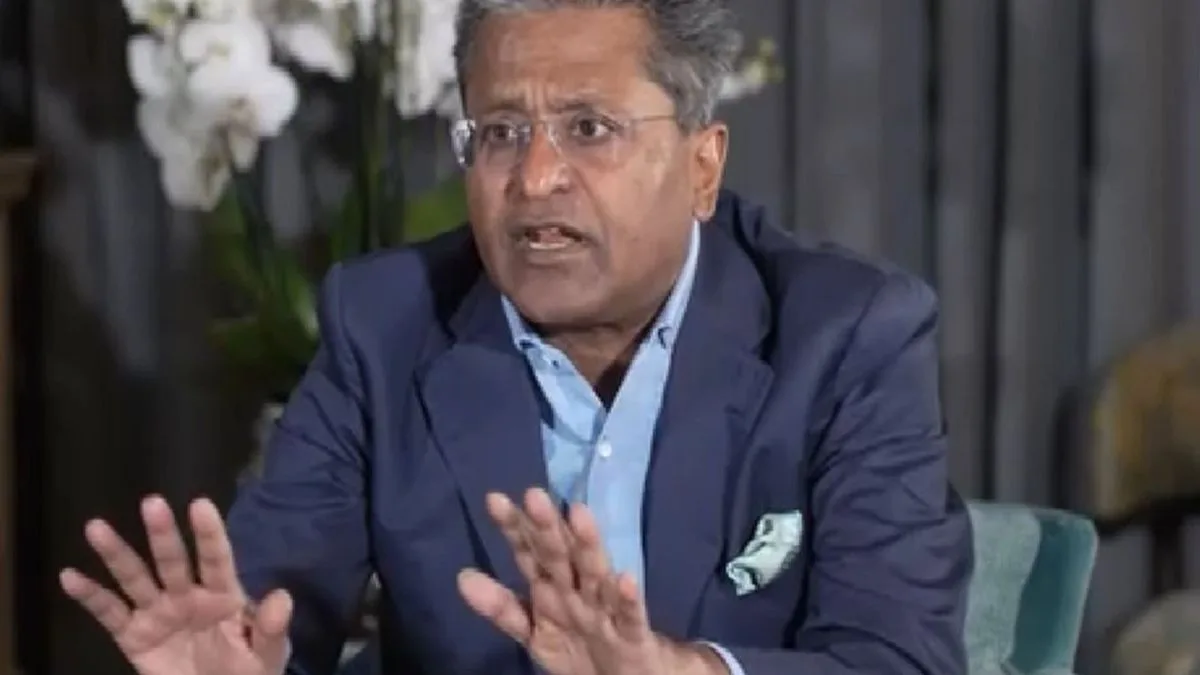
A new social media storm has erupted after singer Lucky Ali criticised veteran lyricist and writer Javed Akhtar over an old resurfaced video. The video which discussed Hindu-Muslim dynamics, has sparked heated debate online. And Lucky’s blunt reaction made sure everyone noticed.
It began when Lucky Ali came across a tweet quoting Javed Akhtar as saying, “Don’t become like Muslims. Make them like you. It’s a tragedy.”
Advertisement
Reacting to the clip and the quote, Lucky Ali didn’t hold back. He wrote on X (formerly Twitter), “Don’t become like Javed Akhtar, never original and ugly as f**k.” His words instantly caught attention and divided opinions across social media.
However, the singer soon realised that his post had created a misunderstanding. Taking to X once again, Lucky issued a clarification. “What I meant was that arrogance is ugly. It was a mistaken communique on my part,” he wrote. “Monsters may have feelings too, and I apologise if I hurt anyone’s monstrosity.”
The clarification seemed to be Lucky’s attempt to dial down the controversy suggesting his remark was more about ego than physical appearance. Still fans were quick to screenshot and share both posts ensuring the incident stayed alive online.
The original video that triggered this entire episode shows Javed Akhtar speaking about freedom of speech and changing social tolerance. While addressing a crowd, Akhtar referred to a famous scene from the 1975 classic ‘Sholay’, which he co-wrote. In that scene, Dharmendra’s character hides behind a Shiva idol and speaks to Hema Malini’s character who mistakes the idol’s voice for divine communication.
Reflecting on that scene, Javed said, “Is it possible to have a scene like that today? No, I will not write a scene like this now. Were there no Hindus in 1975? Of course, there were. There were religious people, too. But the level of tolerance was higher.”
He went on to recall a past discussion with filmmaker Rajkumar Hirani, saying, “I told him, ‘Don’t become like Muslims. Make them like you. You are becoming like Muslims. It’s a tragedy.’”
While Akhtar’s comments were intended to highlight changing attitudes toward religious sensitivity and creative freedom, many viewers found the phrasing problematic leading to backlash.